



Khirsu sits about 130 km from Rishikesh via Devprayag and Srinagar Garhwal, roughly a 4.5 to 5-hour drive. The road is decent tarmac until Srinagar, then narrows as it climbs toward Pauri go slow on the last 20 km stretch after rain, since the surface gets slick under tree cover.
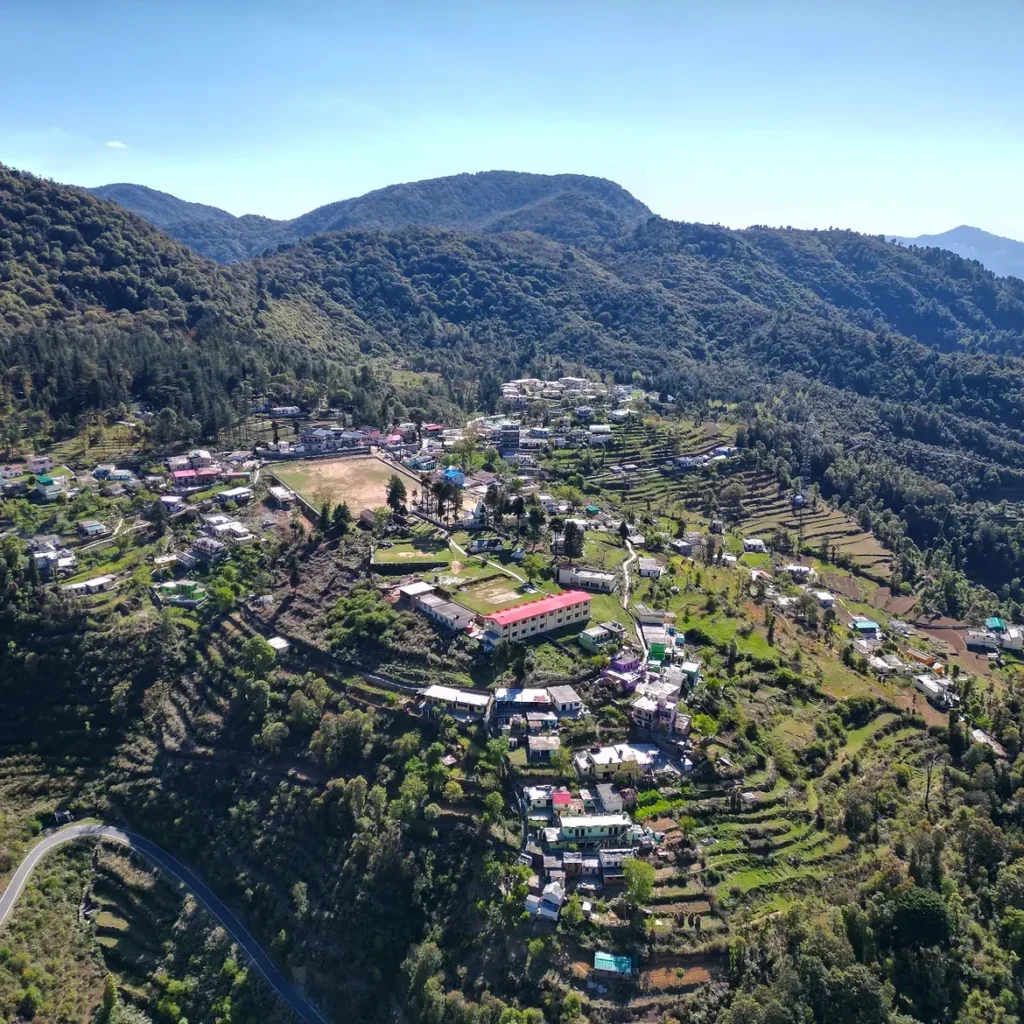
What makes Khirsu worth the drive in monsoon is the view: a wide, uninterrupted stretch of Himalayan peaks visible from the village itself, no trekking required. On a clear morning after overnight rain, visibility can stretch for kilometers. Stay in one of the small homestays near the Golf Ground area most cost between ₹1,200 and ₹2,000 a night and serve home-cooked Garhwali food.
Pro tip: Mornings here are almost always clearer than afternoons in monsoon. If photography is the goal, get up before 7 AM.
Pangot is about 250 km from Rishikesh to Nainital, then another 15 km around 45 minutes through Kilbury forest to reach the village itself. It’s a long day if you’re driving straight through, so most people break the journey with an overnight stop.
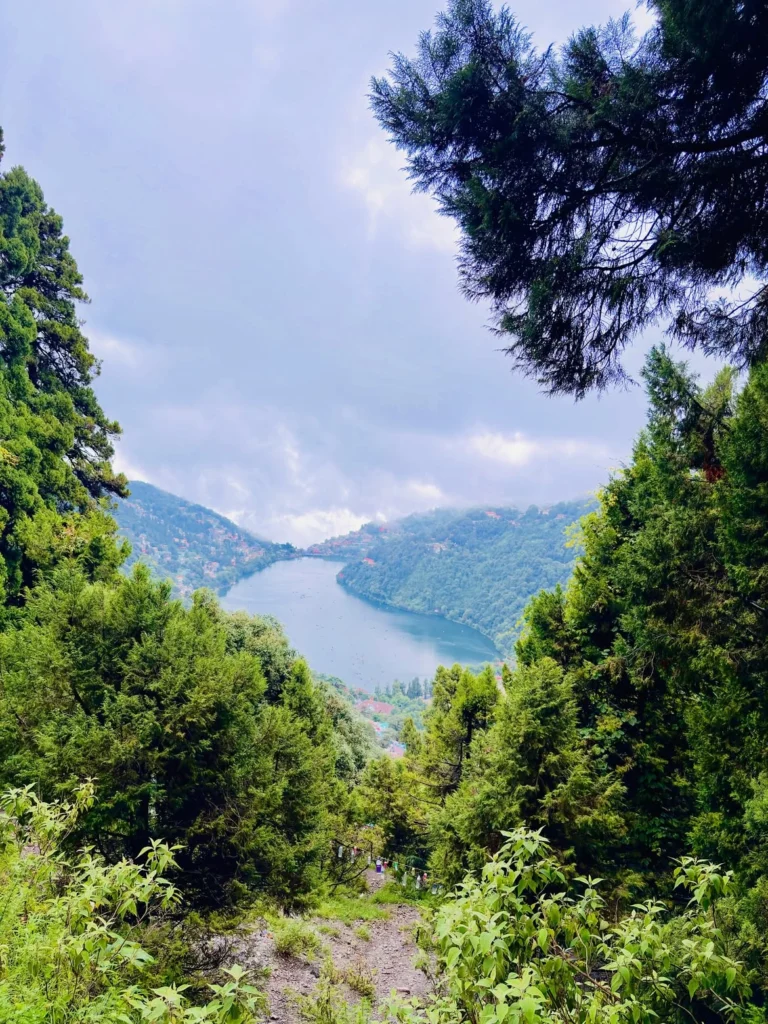
Monsoon is an underrated season here. The Naina Devi Himalayan Bird Conservation Reserve, which borders Pangot, gets active with species that avoid the summer crowds Himalayan griffons, koklass pheasants, and if you’re lucky, the elusive cheer pheasant. Rain keeps daytime visitor numbers low, which oddly makes birdwatching easier since the forest stays undisturbed.
Carry a rain jacket, not an umbrella the Kilbury road trails are narrow and you’ll need both hands free for binoculars.
Peora is tucked into the Nainital district too, about 59 km from Nainital town and just 10 km from Mukteshwar. If you’re coming from Rishikesh, plan for the same 250 km stretch to Nainital, then continue toward Mukteshwar-Almora road.
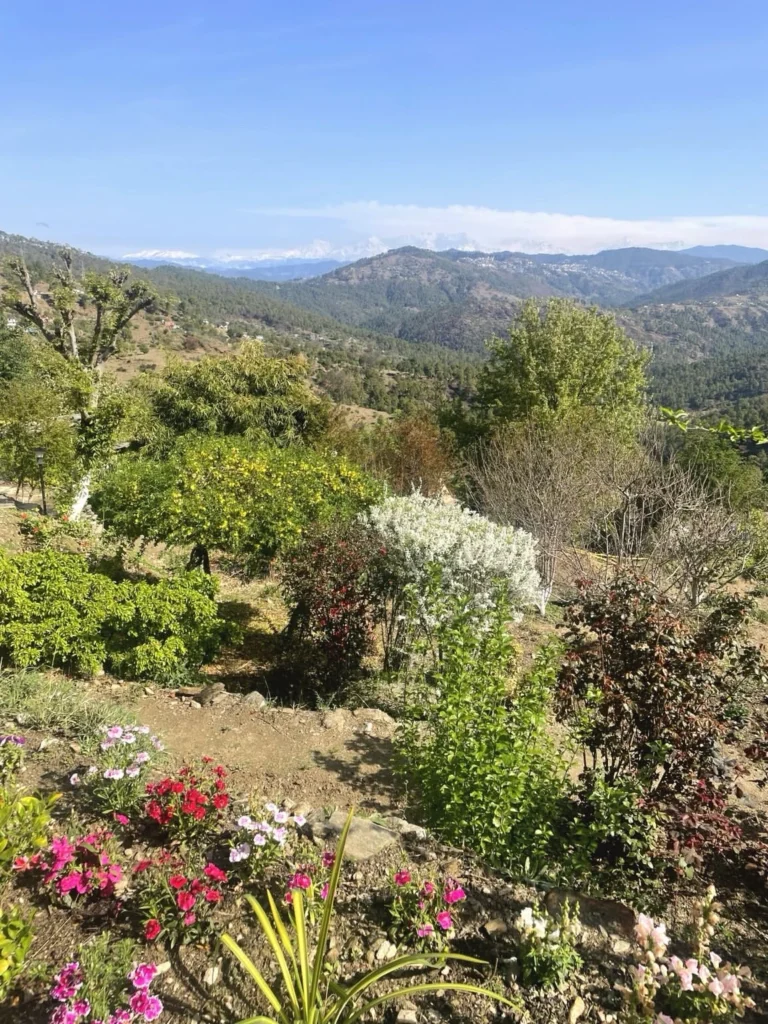
This is apple and apricot orchard country, and monsoon is when the fruit trees and pine slopes turn genuinely lush. Peora has no real “sights” in the checklist sense it’s a scattering of Kumaoni stone-and-slate homes on a hillside, which is exactly the appeal if you’re tired of ticking off monuments. Locals rent out simple homestays for ₹800 to ₹1,500 a night.
Chaukori is the farthest on this list about 327 km and 9 to 10 hours from Rishikesh, so this one needs a full day of driving or a stopover in Almora. It’s a serious commitment, but Chaukori’s tea gardens combined with clear-day views of Nanda Devi and the Panchchuli peaks are hard to find anywhere else in Uttarakhand.
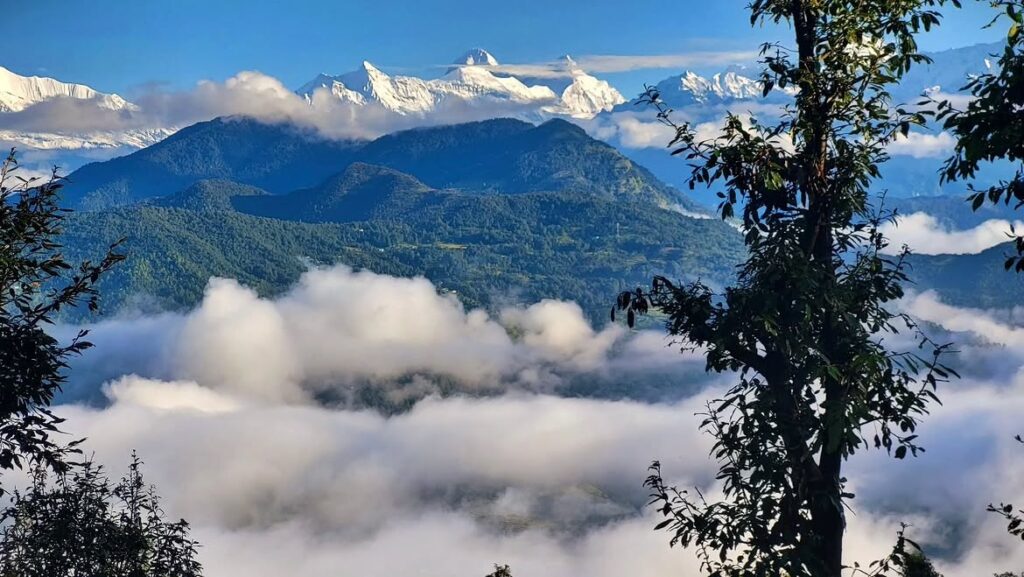
Monsoon clouds do block the peak views some days, but when they clear usually early morning or right after a rain spell the sight is worth every hour of the drive. Walk through the tea estates in the light drizzle; it’s one of the few places in the Kumaon hills where you’ll see actual tea cultivation.
Kanatal is only about 78 km from Rishikesh via Narendra Nagar and Chamba, a 2.5 to 3-hour drive on a road that stays in reasonably good condition even during monsoon. If you’ve rented a scooty or bike from us for local exploring, this is genuinely rideable in a day, though a car is more comfortable if the forecast looks heavy.
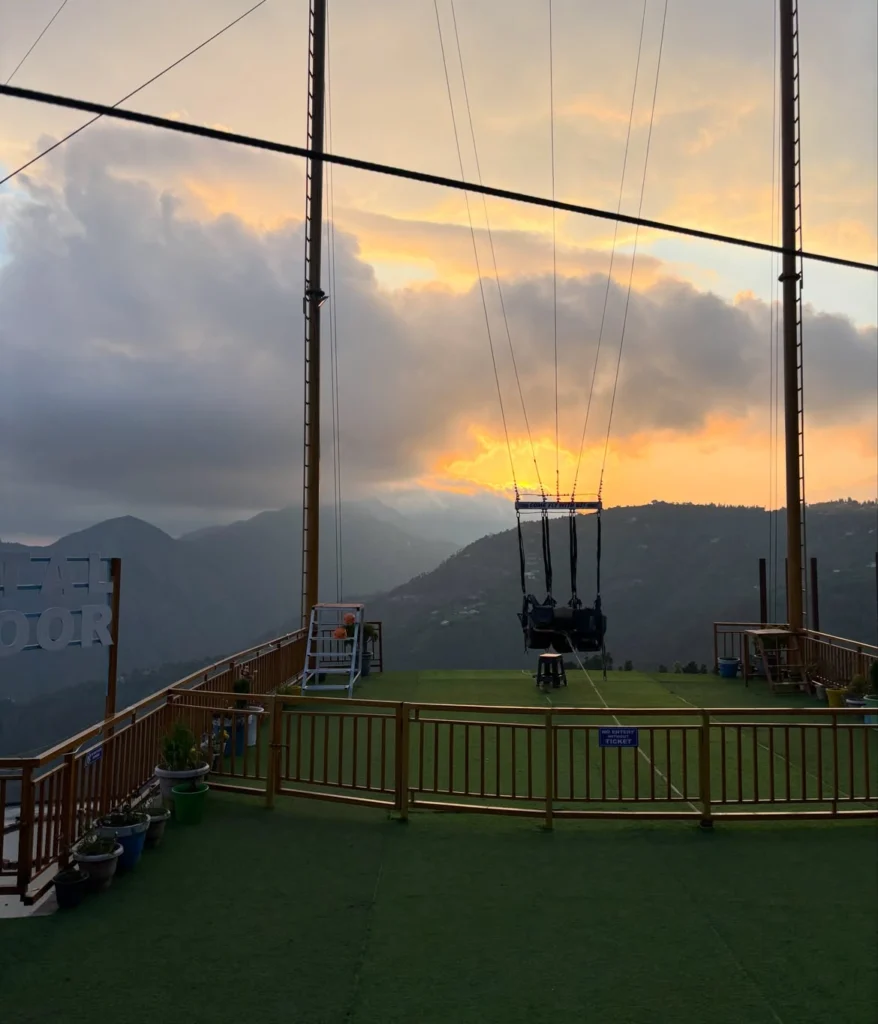
Kanatal sits in Kodia forest, and the walk toward Surkanda Devi Temple about 11 km one way turns into a proper monsoon trek with waterfalls appearing along the route that dry up completely by winter. Tehri Lake is roughly an hour further if you want to add a day.
Pro tip: The Chamba-Kanatal stretch has a few blind curves after Dhanaulti. If you’re on two wheels, keep your headlight on even in daylight visibility drops fast when the mist rolls in.
Mandal is around 220 km from Rishikesh, roughly 7 to 8 hours via Devprayag, Rudraprayag, and Gopeshwar. It’s less visited than Chopta itself, sitting just a few kilometers before it on the same road, which makes Mandal a quieter overnight stop for people heading toward the Tungnath-Chandrashila region.
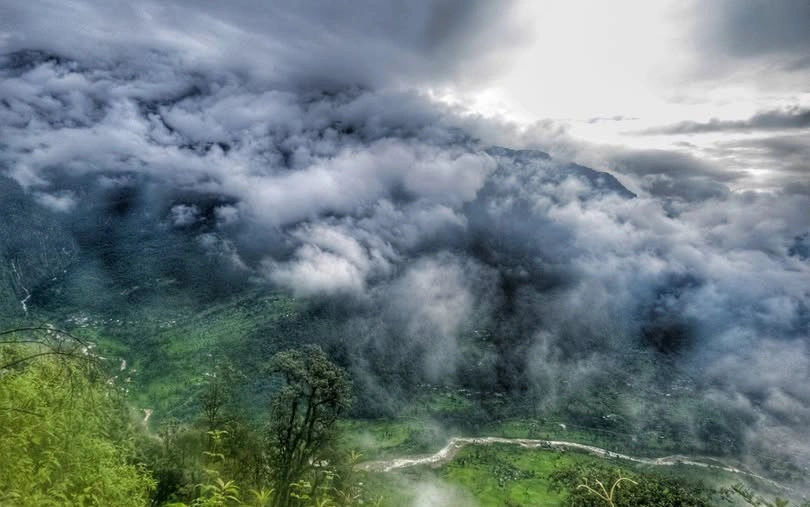
Photo Credit : Vivek Rawat
The 5 km walk to Anusuya Devi Temple, passing Atri Muni Ashram, is doable even in light monsoon rain and doesn’t need trekking gear. If you’re combining this with an actual high-altitude trek in the region, though, check current conditions first some of the routes nearby get genuinely risky once the rain picks up, and it’s worth reading up on which treks are safe during monsoon in Uttarakhand before committing to anything above Mandal’s altitude.